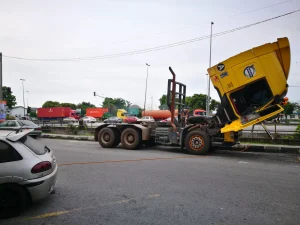
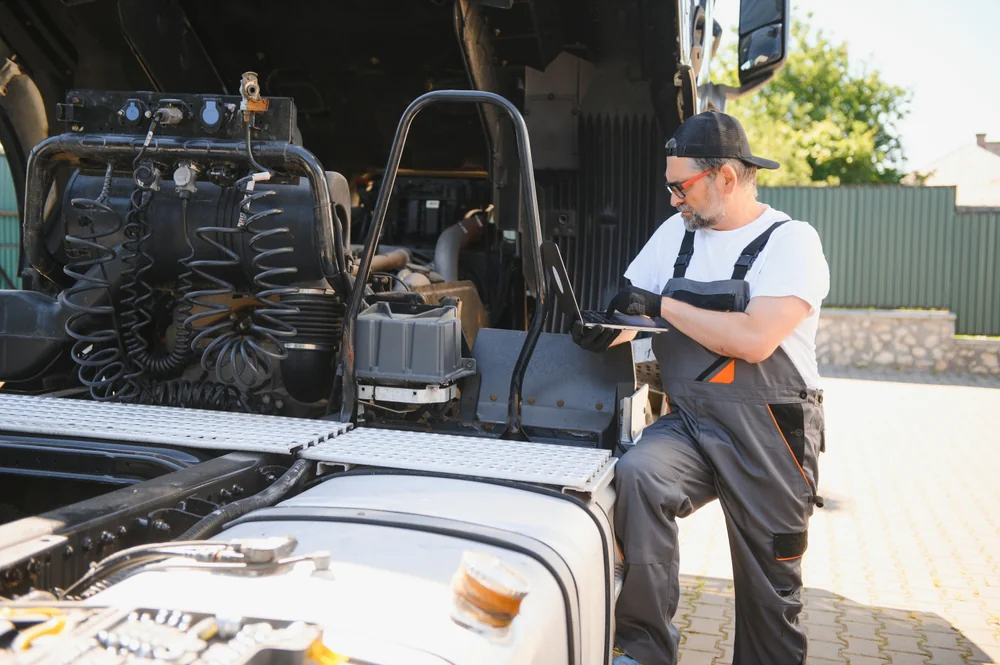
It’s 8 degrees on I-75, the reefer is humming, and the display says you’re holding setpoint. Then the receiver calls to say the top pallets are frosted over. Or the unit won’t turn over at all in a Wayne County yard at 4 a.m.
Winter punishes reefers from two directions, and most of what’s written about it only covers one. Across Wayne County and Monroe County, we see the full mix: road salt, freeze-thaw swings, and trailers rolling up from warmer states with equipment and fuel that aren’t ready for us.
Let’s start with the part that catches people off guard, which is that your reefer sometimes has to heat.
Reefer Unit Cold Weather Problems Start With Heat, Not Cold
Most winter reefer advice is about starting. That makes sense, because a dead unit is obvious. But plenty of rejected loads come from a unit that ran fine while the cargo froze.
When outside air drops below freezing, a trailer full of produce, beverages, dairy, or pharmaceuticals isn’t fighting heat anymore. The unit is protecting the load from cold, and that depends on the heat and defrost side of the system working and on sensors telling it the truth.
The warning signs are easy to miss if you’re only listening for a no-start. Return air colder than setpoint, frost on the cargo, a unit that cycles more than it should, or a temperature log that looks erratic all point to trouble. It’s a different kind of cold weather problem from a dead battery, and it deserves its own attention.
Does A Reefer Unit Heat The Trailer In Winter?
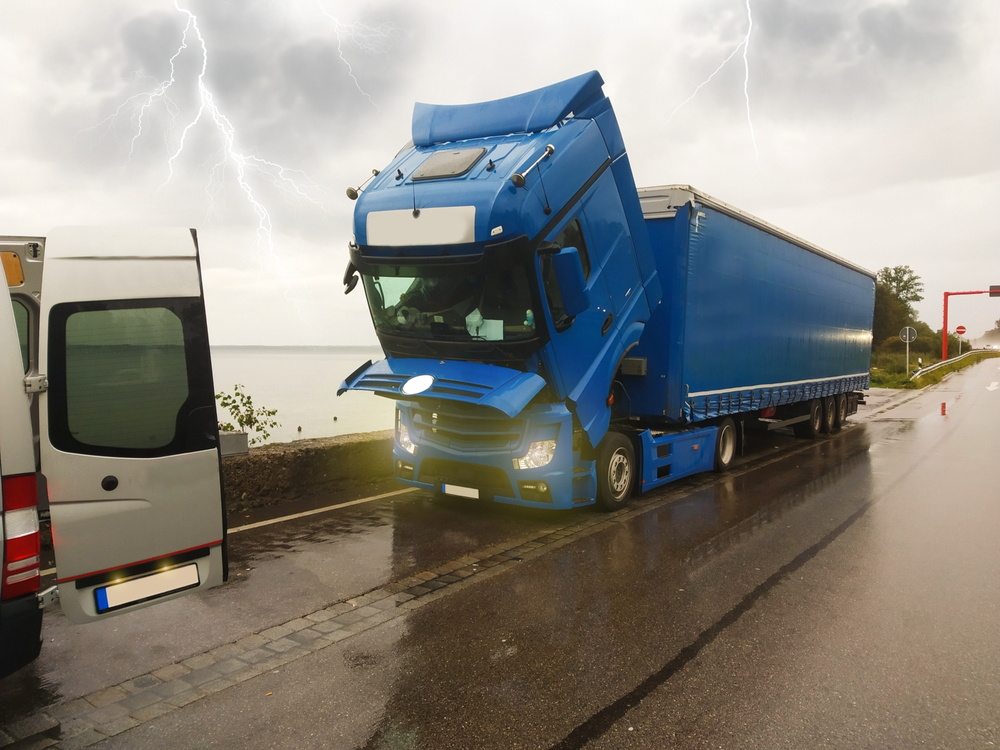
Yes, when it’s working right. A reefer isn’t just an air conditioner for a box. Its job is to hold the setpoint the shipper gave you, and in a Michigan January that sometimes means adding heat or running a defrost cycle instead of pulling temperature down.
When the heat or defrost side fails, nothing looks wrong at the start of the trip. The unit runs, the display shows a number, and the cargo drifts toward freezing. This is where drivers get tripped up. The return-air sensor can read fine while the far end of the trailer is colder or warmer than it should be.
A damaged or collapsed air chute does this, and so does cargo stacked against the return air or the discharge. On a multi-temp trailer with a bulkhead, winter makes the split harder to hold because each compartment needs something different.
Defrost matters just as much. If it fails, ice builds on the evaporator until air can’t move through it, and you end up with a unit working hard and delivering very little.
Then there’s the question of continuous run versus start-stop. One Thermo King dealer in the Northeast suggests continuous run in extreme cold to keep temperatures even across the box. The right choice still depends on your unit, your load, and what the shipper expects, so confirm it before you change anything. If you’re not sure, call us and tell us what you’re seeing. We’d rather spend two minutes talking it through than have you guess with a load of dairy behind you.
What Temperature Should A Reefer Be Set At In Winter?
The setpoint belongs to the shipper, not the season. Fresh loads typically run 33 to 40°F, and frozen loads sit around -10 to 0°F, but your paperwork and the shipper’s instructions are what count.
For food, the FSMA sanitary transportation rule has the shipper specify the operating temperature, including any pre-cooling, and expects carriers to be able to maintain and monitor it. Changing the number because it’s cold out is a bad idea unless the shipper signs off.
What does change in winter is how closely you watch the box. Shippers reject trailers that weren’t pre-cooled, so bring the box down before loading. It also helps to run the unit on its diesel engine for at least fifteen minutes before you load, not only on shore power, so you know it holds up under real conditions. And don’t chase a ghost. A warm load at pickup can read 5 to 15°F above setpoint for hours even when the unit is perfectly healthy.
Write down any alarm code, note when the temperature started to drift, and keep your logs. If a load gets questioned later, a record of when the fault showed up and what was done about it protects you. A reefer failure can turn into a paperwork problem as quickly as a mechanical one, and that’s the part most winter reefer articles skip. If the display and the back of the trailer disagree, trust the back of the trailer.
Winter Failure Points For Reefers On I-75 And I-275 Through Wayne County And Monroe County
I-75 is an 801-mile corridor running through Kentucky, Ohio, and Michigan, and a lot of the trailers that reach Monroe County and Wayne County started their week somewhere warmer. I-275 connects the two counties, running through Monroe, Wayne, and Oakland.
The Port of Monroe, Michigan’s only Lake Erie port, sits right off I-75 with rail connections of its own. A trailer that left the South in mild weather can roll into a Michigan cold snap with fuel that isn’t blended for it, a battery nobody has load-tested lately, and coils already crusted with salt.
Cold also makes everything harder at once. Fuel economy can drop 10 to 20 percent in winter, and diesel engines can be up to five times harder to start in extreme cold. Slush and salt eat at condenser coils, wiring, and the undercarriage, which is why a unit that behaved in November can act up by February.
Why Won't My Reefer Start In Cold Weather?
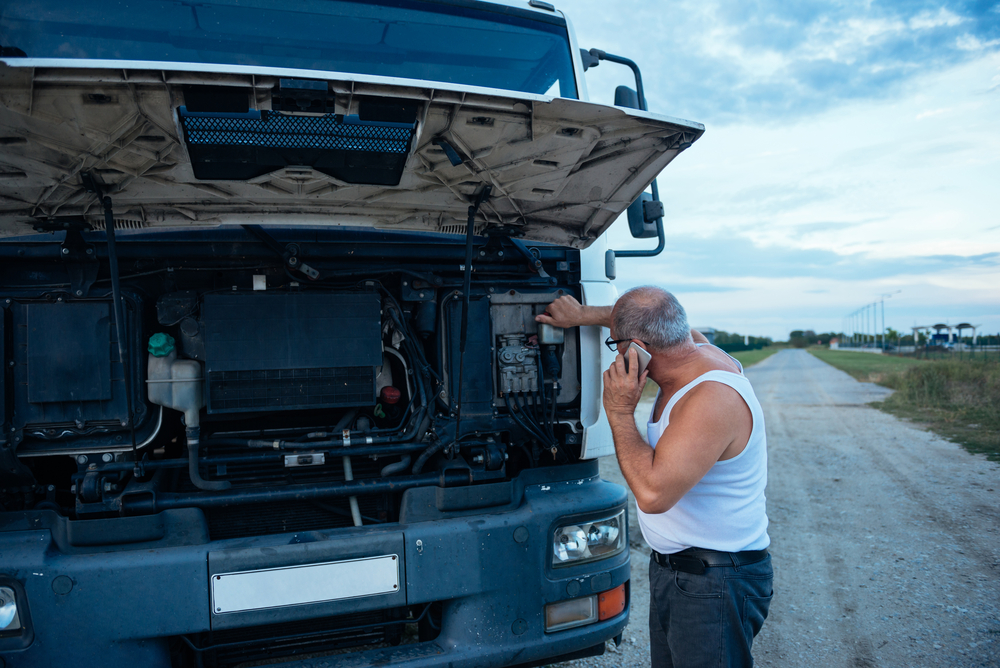
Usually it’s one of three things: fuel, battery, or glow plugs. Diesel forms wax crystals as temperatures fall, and gelled fuel stops a reefer cold. If your fuel looks cloudy or the unit starts and then dies, that’s the first suspect.
Trailers coming north on I-75 are especially exposed, because fuel picked up in a warmer state may not be blended for a Michigan morning. Batteries are the second culprit. Cold can cut battery output by up to 50 percent while the engine asks for more power to start.
Slow cranking or a clicking sound means the battery is on its way out. Glow plugs fail the same quiet way, and a set that worked in October can leave you stuck in January. Cranking over and over only drains whatever the battery has left, so stop and make the call.
Out here it can happen anywhere. We’ve got trailers sitting in Downriver yards, stuck near the Rockwood stretch of I-75 where it crosses from Monroe County into Wayne County, or waiting at an I-94 exit in Romulus. When you call, tell us the brand of unit, what the display says, any alarm code, and if the fuel looks off. That helps us bring the right parts the first time.
We offer jump-starts and fuel delivery, and we keep a parts inventory almost all the time, so many of these jobs get handled right where you’re parked. If it turns out to be bigger than the shoulder can handle, we’ll tell you straight.
Is It The Unit Or The Load? Who To Call For Reefer Repair In Wayne County And Monroe County
Start by checking if the unit is broken. A warm load, cargo blocking the chute, a collapsed air chute, or worn door seals cause plenty of temperature trouble with a healthy unit. Fixing a part that isn’t the problem is the fastest way to a bill you didn’t need.
That’s why we check the alarm history first, then the load, the airflow, and the seals, and only then start talking about parts. Door and trailer body issues are work we do too, including swing doors, since a leaking box loses temperature no matter how good the unit is.
Here’s where we stand. We’re a mobile heavy-duty and roadside outfit that works on reefer units, including Thermo King, Carrier, and numerous others. We aren’t a factory-authorized dealer, and we won’t pretend to be. We come to you, diagnose on the spot, and fix what can be fixed roadside.
If a job needs a shop, we have shop space. If it needs a dealer’s specific equipment, we’ll say so rather than patch it and send you down the road. People ask what mobile reefer repair costs. It depends on the fault, the parts, and if it stays roadside, so we give you an upfront estimate before work starts.
Our rates are the same at 3 a.m., on a holiday, or on a Sunday, with no night or weekend surcharge. We’re family-owned, with about 40 years behind us, led by Dr. Phillip Marin, and based at 8332 Kirkwood St in Detroit. We cover Wayne County and Monroe County, and real people answer the phone. One call can cover the tow, tires, brakes, and trailer work too.
Reefer Trouble This Winter In Wayne County Or Monroe County? Here's The Short Version
Winter hits a reefer from two sides. It can fail to start, and it can fail to heat or defrost while looking perfectly normal on the display. Check the back of the trailer, not just the screen.
Remember that the setpoint is the shipper’s call, write down alarm codes, and don’t assume the unit is guilty until you’ve ruled out the load, the chute, and the seals. If you’re hauling along I-75 or I-275, expect the cold to find any weak battery, tired glow plug, or off-spec fuel you picked up on the way north.
Call J&J Truck & Trailer Repair today at 313-999-3088 for fast, expert mobile reefer repair across Wayne County and Monroe County before a frozen load ruins your week.