Wayne County summers are no joke. When ambient temps push into the 90s and you’re hauling a loaded trailer through stop-and-go traffic on I-75 or sitting in the Romulus distribution corridor waiting on a dock, your diesel engine is already working harder than it looks. Add road heat baking up from the asphalt and the cooling system starts losing the fight quietly — until it doesn’t. Most drivers don’t think about overheating until the gauge is already in the red. This post covers what’s actually happening under the hood, how to catch it early, and what your options look like when you’re already stranded.
Why Diesel Engines Overheat Faster in Wayne County Summer Heat
Diesel engines run hotter than gas engines by design. Compression ignition generates more internal heat as a baseline, which means your cooling system is already working near capacity on a normal day. When outside temperatures climb into the 90s — and Wayne County asphalt surface temps can push well past 130°F in July — the cooling system loses its ability to shed heat efficiently.
The temperature gap between your coolant and the outside air narrows, and the whole system starts falling behind. That’s why more than 60% of unexpected diesel truck breakdowns during summer heat trace back to preventable cooling system failures. It’s not that the engine suddenly gave out. It’s that a small problem — low coolant, a weak water pump, a partially clogged radiator — that was manageable in April becomes a breakdown in August.
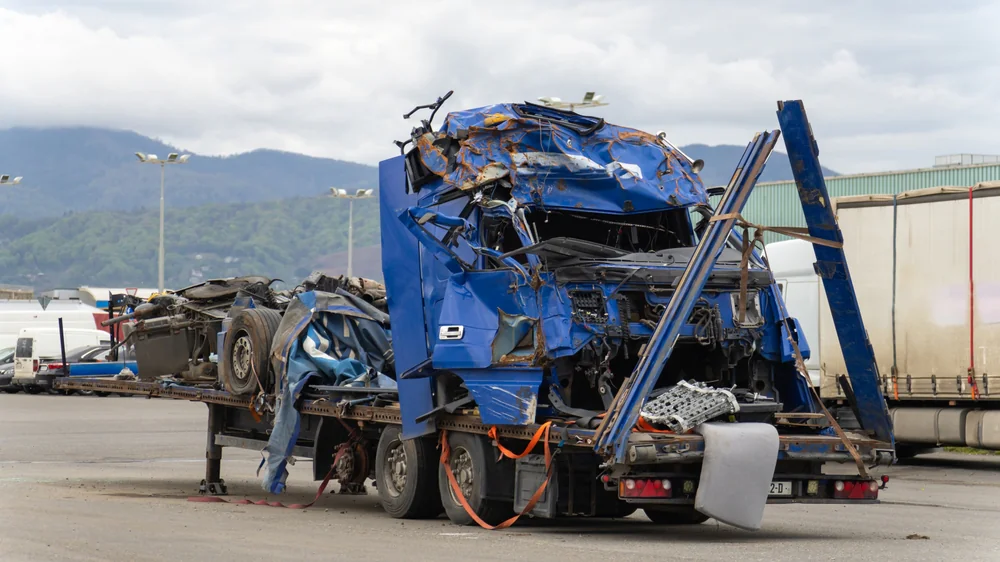
What Actually Causes a Semi Truck to Overheat — and What to Watch For
The most common culprits behind diesel overheating aren’t dramatic failures. They’re gradual ones. Low coolant levels are the most straightforward — if the system doesn’t have enough fluid to circulate, heat builds fast. But low coolant is often a symptom, not the root cause. A cracked hose, a failed radiator cap, or a blown head gasket can all drain the system slowly over time without making themselves obvious until you’re already in trouble.
A broken radiator cap is a good example of how something small becomes something serious. If the cap isn’t holding pressure correctly, the coolant can’t vent properly, pressure builds inside the system, and hoses start to fail. One burst hose on the shoulder of I-94 in July is a very different situation than catching the same issue in a shop in May.
Belts are another one people overlook. The belt driving your water pump controls how fast coolant moves through the engine. A loose or worn belt slows that flow down at exactly the wrong time — when the engine is running hot and needs maximum coolant circulation. Wayne County’s freeze-thaw road cycle is hard on everything under a truck, and belts and hoses that absorbed a winter’s worth of stress often surface as problems in summer heat.
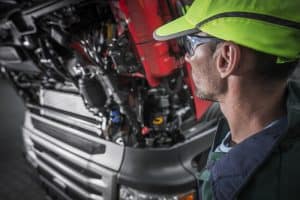
The warning signs to take seriously: a temperature gauge climbing toward the red, coolant bubbling in the reservoir, white steam coming from under the hood, or the smell of hot coolant inside the cab. If you see white smoke from the exhaust when the engine is warm, that’s a head gasket conversation. Don’t wait on any of these. Pulling over early is the difference between a repair and a rebuild.
Pulling over and letting the engine cool down buys you time, but it doesn’t fix anything. If the underlying problem is a failed thermostat or a cracked hose, the truck will overheat again within minutes of restarting. Cooling down is step one. Getting the right diagnosis is step two.
The Wayne County Routes Where Overheating Hits Hardest
Not all breakdowns happen in convenient places. In Wayne County, the corridors that generate the most commercial truck traffic are also the ones where a breakdown is most costly — in time, in safety exposure, and in load consequences.
The I-94 and I-75 interchange near downtown Detroit is one of the highest-volume truck bottlenecks in the state. If your temperature gauge starts climbing there in July, you’re in heavy traffic with limited shoulder space and a load that isn’t going to wait. The I-275 corridor through Romulus is another one — Amazon, UPS, and automotive supplier facilities along that stretch run tight delivery windows, and a two-hour breakdown delay doesn’t just cost you fuel and repair money. It costs you the delivery relationship.
The Ambassador Bridge approach on I-75 near Fort Street adds a layer most drivers don’t think about until they’re in it. Cross-border loads have customs timing built in. A breakdown near the bridge doesn’t just affect your schedule — it can affect your crossing window entirely.
Wayne County roads take a beating from Michigan winters, and the pothole damage that builds up from November through March doesn’t disappear in summer. It shows up as suspension stress, tire wear, and undercarriage damage that compounds everything else. Salt corrosion from winter road treatment attacks brake lines and fuel lines — failures that start in January often announce themselves on a hot August afternoon when heat stress is added to the equation.
If you’re running freight through Dearborn, Romulus, or the Detroit metro area regularly, summer isn’t the time to find out your cooling system was marginal. The conditions here are harder on trucks than most drivers give them credit for.
Emergency Truck Repair When You're Stranded in Wayne County
When something goes wrong on the road, the first thing most drivers do is call for help and hope someone answers. That sounds simple, but anyone who’s been stranded on a Wayne County highway at 6 AM on a Sunday knows it isn’t. A lot of services that advertise 24/7 availability run answering services or dispatch networks that can’t tell you when — or whether — someone will actually arrive.
What you need in that moment is a mechanic who picks up, tells you what to expect, and shows up when they said they would. The repair itself matters too, but the arrival is what stops the clock on a situation that gets worse the longer it sits.
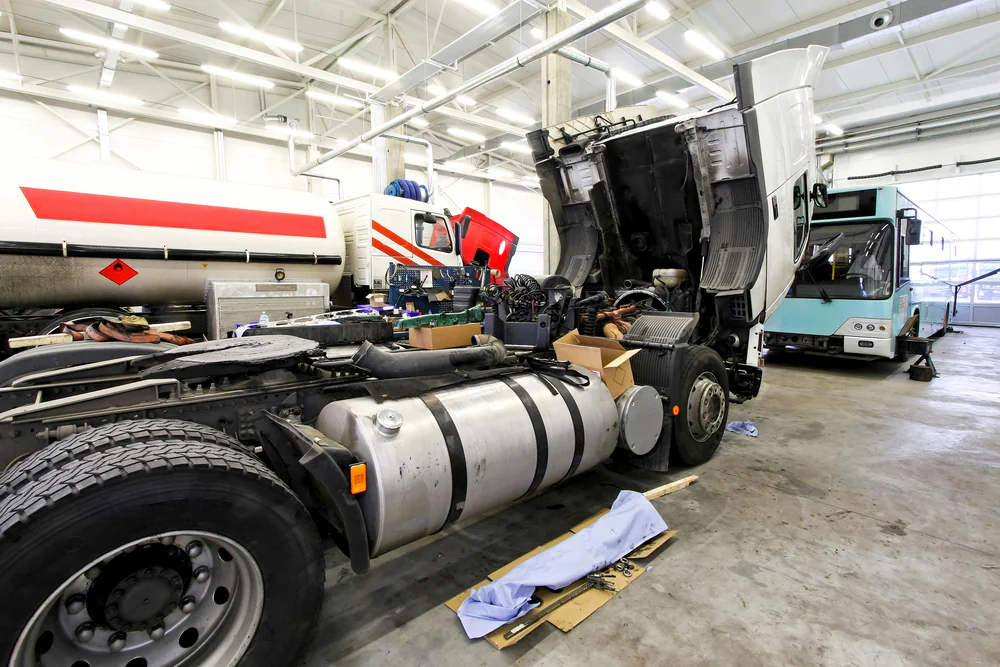
Onsite Diesel Repair vs. Getting Towed — What the Difference Costs You
Most drivers assume a serious roadside breakdown means a tow. That assumption is worth questioning, because the gap between mobile onsite repair and tow-to-shop is significant — in time, in money, and in what happens to your load.
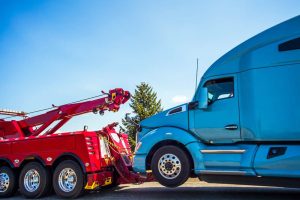
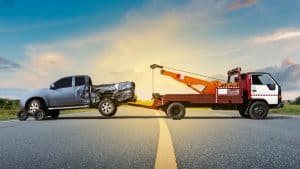
A tow to a shop means: the towing cost itself, a shop queue that you have no control over, and leaving your trailer and cargo unattended in a lot somewhere while you wait. If you’re hauling refrigerated freight and the reefer unit is part of the problem, that wait time has a direct cost in cargo. If you’re on a tight delivery window, the shop queue alone can blow the whole schedule.
Onsite diesel repair changes the math. A fully equipped mobile unit that carries the right parts and tools for the most common breakdown scenarios can diagnose and fix the problem at your location — no tow, no queue, no unattended load. One of our customers recently had a job completed in under 30 minutes. That’s not a guarantee for every situation, but it reflects what’s possible when the mechanic arrives prepared instead of having to make a parts run mid-job.
We come to you. Our mobile unit is stocked to handle the range of failures that actually strand drivers — cooling system issues, brake chamber problems, air leaks, electrical diagnostics, tire changes, and more. We work on Freightliner, Peterbilt, Kenworth, Volvo, International, Mack, Western Star, and most other makes running Wayne County routes. We also handle Thermo King and Carrier reefer units, which matters if your cargo can’t wait.
At roughly $90 per hour in operating costs for a Class 8 truck, every hour you’re sitting on the shoulder is money leaving your pocket before the repair bill even enters the picture. Getting back on the road faster isn’t a luxury — it’s the whole point.
What Wayne County Truck Drivers Ask Us Most About Road Service
How fast can you actually get to me in Wayne County?
We typically arrive within 30 to 60 minutes of your call, and often faster depending on where you are. Our base is at 8332 Kirkwood St in Detroit, which puts us centrally located within Wayne County — not a suburb-based service trying to cover Detroit from 45 minutes out. If you’re on I-94, I-75, I-96, or I-275, we’re not far.
Is it safe to keep driving if my temperature gauge is rising?
No. Once the gauge is climbing toward the red, the engine is already under stress. Continuing to drive risks warping the cylinder head, damaging the head gasket, or seizing the engine — all of which turn a manageable repair into a much larger one. Pull over somewhere safe, shut the engine down, and call. Don’t open the radiator cap while the engine is hot.
Do you actually answer at 2 AM or on weekends?
Yes. We’re a family-owned operation and 24/7 isn’t a marketing line for us — it’s how we run. One of our customers called us at 6:30 AM on a Sunday in 7-degree weather, 40 miles away, and we came out and completed the repair. Wayne County doesn’t stop moving at 5 PM, and neither do we.
Why does my truck overheat in summer but not in winter?
Your cooling system depends on the temperature difference between your coolant and the outside air to shed heat. In winter, that gap is large and the system works easily. In summer, the gap narrows — and any weakness in the system that was manageable in cooler weather becomes a failure point. A thermostat that’s slightly sluggish, a radiator that’s partially clogged, a belt that’s a little loose — all of these become real problems when ambient temps climb in Wayne County.
What makes J&J Truck & Trailer Repair different from a dispatch service?
When you call a national breakdown directory or dispatch network, you’re getting whoever is available in their system. When you call us, you’re getting a mechanic with over 40 years of experience led by Dr. Phillip Marin — who holds three Ph.D. degrees in Diesel Engineering, Drivetrains, and Metal Alloys. That’s not a credential you’ll find anywhere else in this market. It means the person diagnosing your engine actually understands what’s happening at the engineering level, not just the symptom level. Because we’re local and family-owned, our reputation is on the line every single call.
Semi Truck Road Service in Wayne County — What to Do Before and After a Breakdown
Summer in Wayne County is genuinely hard on diesel engines. The heat, the road conditions, the stop-and-go traffic through Detroit and Dearborn, the salt corrosion from the previous winter — it all compounds. Most breakdowns aren’t random. They’re the result of small problems that had time to grow.
The best move is knowing the warning signs before you’re on the shoulder of I-94 watching the gauge climb. The second-best move is having the right number saved before you need it. If your diesel overheats this summer — or if you want to talk through what preventive maintenance actually makes sense for your routes — call us at 313-999-3088. We’re available around the clock, we come to you, and we’ll tell you upfront what the repair involves before we start.
J&J Truck & Trailer Repair has been keeping Wayne County drivers moving since 1999. When you call, you’ll reach someone who actually answers.