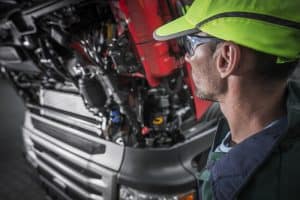

Here’s a scenario that plays out more often than it should in Wayne County, MI. A driver breaks down on I-75 somewhere between Detroit and Downriver. He calls three different roadside repair services. Two don’t answer. One says they’ll be there in 45 minutes and never shows. By the time he finds someone who actually comes out, hours have passed — and the invoice doesn’t match what he was quoted on the phone. If you manage a fleet or run your own truck, you already know this isn’t a rare story. This guide is about making sure it doesn’t happen to you.
What to Actually Look for in a Truck and Trailer Repair Service
Most drivers and fleet managers start their search the same way — they Google “truck repair near me” and call whoever shows up first. That works fine until it doesn’t. The problem is that most truck and trailer repair providers look identical on the surface. They all claim to be available 24/7. They all say they’re experienced. They all promise competitive rates.
What separates a provider you can actually rely on from one that leaves you stranded comes down to a few specific, verifiable things — and none of them are hard to check if you know what to ask. The criteria that matter most are credentials, parts availability, pricing transparency, and genuine 24/7 response. Not as marketing claims. As things you can verify before you hand over your keys or your fleet account.
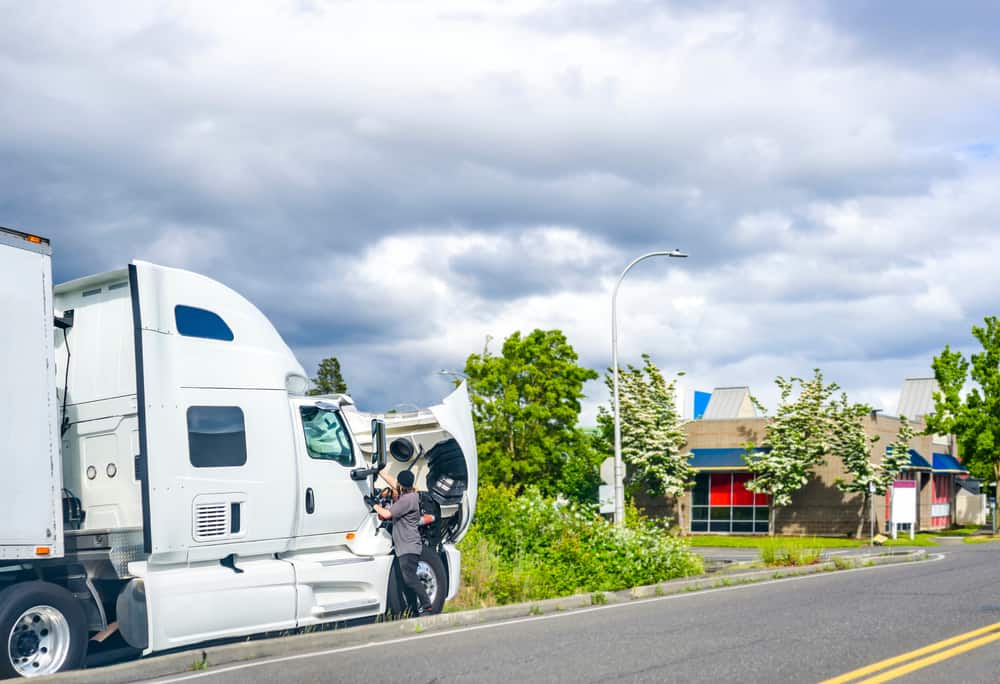
Why Certifications Matter More Than Most Drivers Realize
“ASE certified” gets thrown around so often in this industry that it’s stopped meaning much to most people. But there’s a real difference between a technician who holds a single ASE certification in one area and one who has earned ASE Master Truck Technician status — which requires passing all eight T1 through T8 tests covering diesel engines, transmissions, drive axles, brakes, suspension, electrical systems, HVAC, and preventive maintenance.
That’s not a certificate course. To even sit for ASE testing, a technician needs a minimum of two years of documented, hands-on experience. The master designation means they’ve been tested across the full scope of what a Class 8 truck can throw at them.
Modern heavy-duty trucks are not simple machines. A diesel engine with electronic controls, an advanced ABS system, and a refrigerated trailer unit requires a different level of knowledge than a basic brake job. A technician who can handle one may be completely out of their depth with another.
When you’re broken down at 6 AM on a January morning in Wayne County — and it has been as cold as seven degrees in this area when real calls come in — you need someone who can actually diagnose the problem correctly the first time, not someone who guesses and hopes.
When you’re vetting a provider, ask specifically about their certifications and who will actually be dispatched to your truck. A shop can claim “ASE certified” based on one technician in one area. What you want to know is whether the person coming to you holds credentials relevant to your specific repair. That question alone will tell you a lot about how seriously a provider takes their craft.
Beyond ASE, look for providers who can speak specifically to the type of equipment you run. If you’re hauling temperature-sensitive freight and your reefer unit goes down near DTW, you need someone who knows Thermo-King and Carrier systems — not someone who’ll figure it out on the fly. Specificity in credentials is a sign of a real specialist. Vagueness is a warning.
The Parts Problem Nobody Talks About Until They're Stuck
One of the most common ways a roadside repair call turns into a two-day nightmare is simple: the technician shows up without the right parts. They diagnose the problem, confirm what needs to be fixed, and then tell you they have to order the part. That part won’t arrive until tomorrow. Or Tuesday. Meanwhile, your truck is sitting on the shoulder of I-96 or in a lot somewhere in Romulus, and every hour that passes is revenue you’re not making.
According to data from RTS Financial, the average operating cost for a heavy-duty truck runs about $91.27 per hour. That’s not what you’re paying someone to fix it — that’s what it costs you just to have the truck sitting idle. Add in lost load revenue, and a single breakdown that stretches into two days can easily run into the thousands before you factor in the repair itself.
The fix for this is straightforward, but you have to ask about it upfront: does the provider stock common parts on their service vehicle? A qualified mobile mechanic who takes their work seriously will carry the parts that show up most often — brake components, air lines, electrical fuses and connectors, belts, filters, and the hardware for the most common failure points on the trucks they service. If a provider can’t give you a straight answer on parts availability, assume they’re showing up empty and hoping for the best.
This is also where the math on “cheap” roadside repair gets complicated. A provider who quotes you a lower rate but has to make two or three trips to complete the job — or who misdiagnoses the issue and fixes the wrong thing — costs far more in total than one who charges a fair rate, arrives prepared, and gets it done in a single visit. One verified customer review we’ve received described a job completed within 30 minutes of arrival. That kind of efficiency isn’t luck. It comes from showing up ready.
The Real Cost of Getting This Decision Wrong in Wayne County, MI
Wayne County, MI is one of the busiest freight corridors in the Midwest. I-75, I-94, I-96, and I-275 carry an enormous volume of commercial truck traffic every day — automotive parts moving between supplier facilities and assembly plants, refrigerated freight coming in and out of the airport in Romulus, and cross-border loads heading to and from the Ambassador Bridge, which handles more U.S.-Canada truck freight than any other border crossing in North America.
A breakdown anywhere along these routes during peak hours isn’t just an inconvenience. It’s a financial event. The average unplanned truck breakdown costs between $3,000 and $9,000 when all factors are counted — not just the repair, but lost revenue, emergency parts premiums, and the downstream effects on delivery schedules. Choosing the wrong repair provider doesn’t just delay the fix. It can turn a two-hour problem into a two-day one.

How to Spot a Provider That Will Actually Show Up at 2 AM
The hardest thing to verify about a “24/7” truck repair service is whether they actually mean it. Any shop can put those words on their website. What you want is evidence that they’ve delivered on it — in the middle of the night, on holidays, in the kind of Michigan winter weather that makes most people stay home.
The most reliable way to check this is through reviews, and not just the star rating. Read the actual text. Look for reviews that describe specific scenarios — a Sunday morning call, a holiday breakdown, a situation where other providers had already failed to show up. If a provider’s reviews are full of vague praise but short on specifics, that’s a gap worth noticing. If the reviews describe real situations with real details, that tells you something about how the business actually operates under pressure.
Also look at how the reviews are distributed across platforms. A business with consistent feedback on Google, Yelp, and trucker-specific platforms like TruckerGuide or 4RoadService is harder to fake and more credible than one with a pile of five-star reviews on a single site. Cross-platform consistency is a quiet signal that the reputation is real.
One more thing worth asking directly: do they charge extra for nights, weekends, or holidays? This is a standard practice in the industry, and it’s rarely disclosed upfront. Some providers will quote you a base rate on the phone and add surcharges once the technician is already on-site. Ask the question before they dispatch anyone. A provider who charges the same rate regardless of when you call is telling you something meaningful about how they treat their customers.
What Wayne County Fleet Managers Should Ask Before Adding a Vendor
If you’re a fleet manager or dispatcher in Wayne County, MI — running trucks through the automotive supply chain, moving freight in and out of the Downriver industrial corridor, or managing vehicles that cross the Ambassador Bridge regularly — you’re probably not reading this because you’re broken down right now. You’re reading it because you want to have the right vendor in place before that happens. That’s the right instinct, and it’s worth taking seriously.
The questions worth asking any provider before you add them to your approved vendor list start with credentials and go from there. Who specifically will be dispatched to a heavy-duty breakdown? What are their certifications, and at what level? Can they handle reefer units if your fleet carries temperature-sensitive freight? What’s their realistic response time on I-275 at 3 AM versus noon on a Tuesday? Do they carry parts, or do they diagnose and then wait for a delivery? And what does their pricing look like — flat rate, or does it vary by time of day, day of week, or job complexity?
These aren’t trick questions. A provider who can answer them clearly and specifically is one who has thought about what fleet customers actually need. One who deflects or gives vague answers is one who hasn’t.
It’s also worth thinking about coverage. Wayne County spans a significant geographic area, from the Dearborn industrial corridor to the downriver communities like Trenton, Riverview, and Wyandotte, all the way up through Livonia and into the western suburbs. A provider based in the area who covers the full county is more useful than one who can only reliably reach a narrow slice of it. Ask where they’re based, what their typical response area looks like, and whether they’ve actually serviced calls in the parts of Wayne County where your trucks run.
Finally, don’t overlook the human element. A family-owned operation where the lead technician is also the owner has a different kind of accountability than a dispatch-and-send model where you never know who’s showing up. When the person fixing your truck is the same person whose name is on the business, they have real skin in the game every time they pull up to a breakdown.
Finding Truck and Trailer Repair in Wayne County You Can Actually Count On
The short version of everything above: don’t wait until you’re stranded on I-94 at midnight to figure out who you’re going to call. Vet your providers before the crisis, ask the specific questions, and look for the evidence — credentials, parts availability, honest pricing, and a track record of actually showing up when it matters.
Wayne County’s freight volume and Michigan’s winters mean that breakdowns here aren’t a question of if, they’re a question of when. Having the right repair service already in your phone changes the outcome significantly.
If you want to talk through what a breakdown in your area would look like and whether we’re the right fit for your fleet or your truck, J&J Truck & Trailer Repair is available around the clock at 313-999-3088. No runaround, no after-hours surcharges — just a straight answer from someone who’s been doing this for over 40 years.