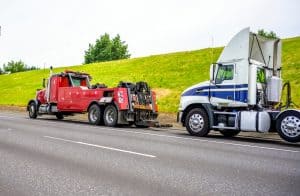

First 60 Seconds: Immediate Actions When Your Semi Breaks Down
The moment you feel something’s wrong—loss of power, strange noises, warning lights—you’re on the clock. Federal regulations require you to turn on your four-way flashers immediately when stopped on the road. Don’t wait to diagnose the problem first.
Your immediate priority is getting out of traffic flow. Detroit’s highways like I-75 and I-696 see constant heavy traffic, and a stalled semi becomes a hazard for other motorists. If you have any power or momentum left, use it to reach the shoulder or a safe pull-off area. Even limping your rig a few hundred feet to a wider shoulder or truck stop can make the difference between a manageable situation and a dangerous one.
Stay calm. Panic leads to poor decisions, and you need your judgment clear right now. Take a breath, assess your surroundings, and move through your next steps methodically.
How to Safely Exit Traffic During a Semi Truck Breakdown on Detroit Highways
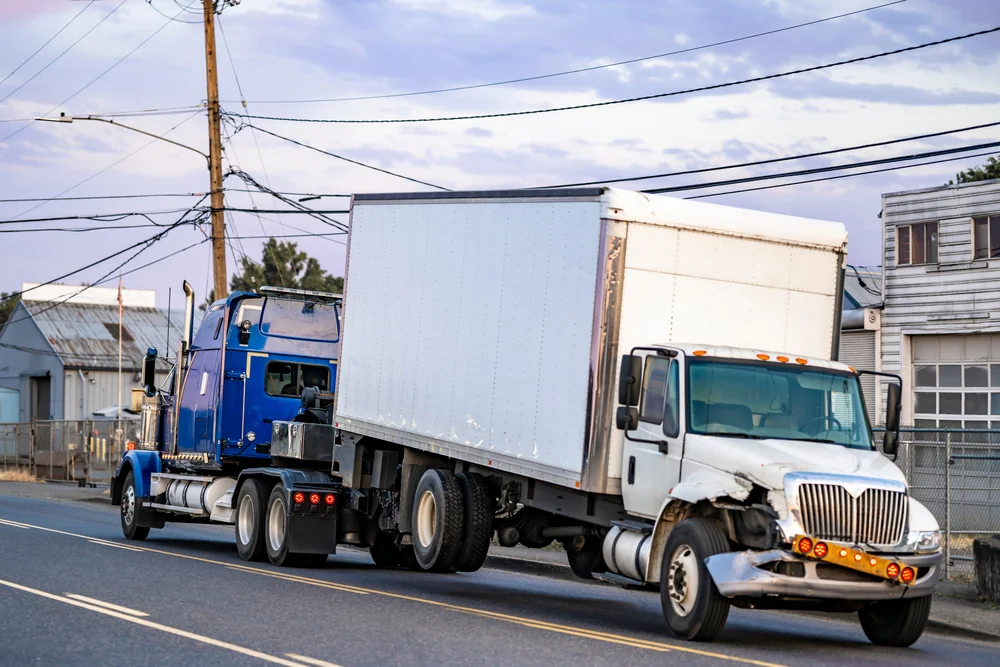
Once you recognize mechanical failure, ease off the road as safely as conditions allow. Don’t make sudden moves that could cause loss of control. Signal early and check your mirrors constantly—other drivers may not react quickly to your situation.
If you’re experiencing a truck breakdown on I-94 through Romulus and Taylor, or I-75 between Detroit and Toledo—Michigan’s busiest truck corridors carrying 14,300 to 15,500 trucks daily—every second on the travel lanes increases risk. Look for the widest shoulder available. If you can safely make it to an exit with a truck stop or rest area, do it. Being off the highway entirely gives you more options and better safety.
After you stop, stay in your truck with your seatbelt on unless there’s immediate danger like fire or smoke. Your cab provides protection from passing traffic. If you must exit to inspect the vehicle or set up warning devices, wait for a gap in traffic and move deliberately. Never step between your truck and live traffic lanes.
Michigan is a “Clear It or Steer It” state, meaning if your vehicle can be moved safely, you should move it. This isn’t abandoning the scene—it’s following the law and protecting yourself and others from secondary crashes. Position your truck as far right as possible. Angle your wheels away from traffic if you’re on a slope. Set your parking brake. Turn off your engine if it’s overheating or showing signs of catastrophic failure.
Whether you’re dealing with a semi truck breakdown in Detroit, MI on I-696 near the airport or stuck on I-94 in Wayne County, MI, getting to a safe position is your first job. Now you can focus on the next critical step: making your truck visible to approaching traffic.
Setting Up Emergency Warning Devices the Right Way
You have 10 minutes under federal regulations to place emergency warning devices, but don’t wait that long. The sooner other drivers see your disabled truck, the safer you are. Your emergency kit should include reflective triangles, lighted lamps, or lighted fuses—all acceptable under DOT requirements.
Here’s the exact placement pattern. Place one device on the traffic side of your vehicle approximately ten feet away, facing approaching traffic. This gives drivers their first warning. Place the second device at 100 feet—about 40 paces—behind your truck in the center of the traffic lane or road shoulder, in the direction of approaching traffic. If you’re on a two-lane road or undivided highway, place the third device 100 feet in front of your vehicle facing oncoming traffic.
This pattern isn’t arbitrary. It gives approaching drivers enough distance to slow down and change lanes safely. At highway speeds, 100 feet provides critical reaction time, especially in conditions like fog, rain, or the lake-effect snow that hits Detroit, MI from November through March.
If you break down at night or during Michigan winter weather when visibility drops, these warning devices become even more critical. Blowing snow can reduce visibility to near zero on I-94 and I-696. Your triangles or lighted devices may be the only thing preventing a rear-end collision.
Don’t skip this step to save time. Setting up warning devices protects you while you’re outside the vehicle making calls or inspecting the problem. It also protects other motorists who might not see your disabled semi until it’s too late. A few minutes placing triangles could prevent a multi-vehicle pileup and save lives.
Emergency Truck Repair Near Me: Who to Call and What to Say
Once you’re safe and visible, it’s time to get help. Your first call depends on your situation and who you drive for. Company drivers should call dispatch immediately—they’ll coordinate with the company shop and arrange roadside assistance. Owner-operators need to have their emergency contact list ready before they need it.
When you call for emergency truck repair near me in Wayne County, MI or Monroe County, MI, be specific. Your location matters more than you think. “I-94 eastbound near the airport” isn’t enough. Give the mile marker, nearest exit number, and any landmarks you can see. Accurate location details help service providers reach you faster, especially if you’re between exits on a long stretch.
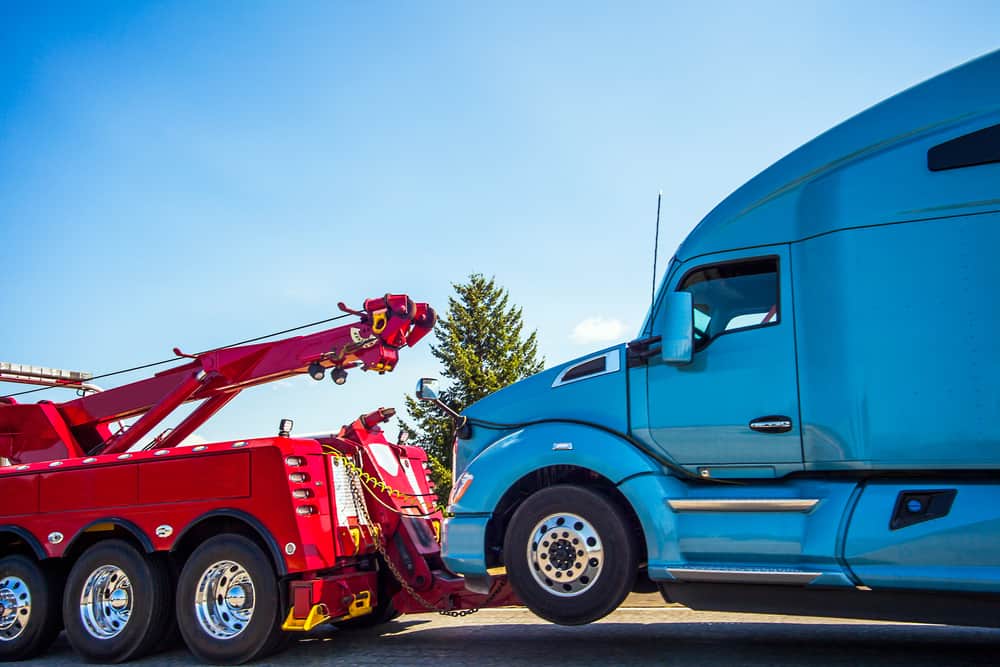
Describe your truck and trailer setup clearly. Truck make and model, trailer type, gross weight if you know it, and cargo type all help dispatch the right equipment. Heavy duty roadside service handles semis and equipment exceeding 10,000 pounds, but we need to know what we’re responding to before we roll.
What to Tell Semi Roadside Assistance Michigan Services About Your Breakdown
The more specific you can be about what happened and what you’re experiencing, the better chance of getting roadside repair instead of expensive towing. “Engine won’t start” requires a different response than “overheating” or “tire blowout.” Sometimes a shop supervisor can advise on relatively simple, safe fixes that don’t require a service call.
Explain the problem symptoms clearly. Did you hear a loud bang? See smoke? Lose power suddenly or gradually? Are there warning lights on your dash, and if so, which ones? Is there fluid leaking, and what color is it? These details help our technicians bring the right tools and parts.
If you’re hauling temperature-controlled freight, time-sensitive materials, or oversized loads, mention this immediately. Your cargo situation affects the urgency and type of response you need. A reefer unit that’s down means your load could spoil. Hazmat requires special handling. Oversized loads may need specialized towing equipment.
Include your company information, insurance details, and any special requirements. If you have semi roadside assistance Michigan coverage through your carrier or a local Detroit truck towing service, have that information ready. Knowing your coverage limits and what’s included prevents surprises when the bill comes.
Ask for an estimated arrival time and get the technician’s name. If you’re on a busy highway shoulder in Detroit, MI traffic, every minute counts. Knowing when help will arrive lets you update dispatch and manage your delivery schedule. Average response times for quality roadside assistance in Wayne County, MI run 30-60 minutes, but that varies based on your location and time of day.
Detroit Weather, Highway Conditions, and What Makes Breakdowns More Dangerous Here
Detroit, MI presents unique challenges for semi truck breakdowns. The heavy traffic on I-94, I-75, and I-696 means you’re never truly alone on the road—but that also means more danger from inattentive drivers. The prevalence of distracted driving in metro Detroit makes a visible, well-marked breakdown scene essential.
Winter weather compounds every breakdown challenge. Michigan law requires commercial motor vehicles to exercise “extreme caution” when hazardous conditions like snow, ice, sleet, fog, mist, or rain adversely affect visibility or traction. If you break down during a snowstorm, your situation becomes immediately more dangerous. Lake-effect snow can create whiteout conditions with little warning on I-94 through Wayne County, MI. Black ice forms on bridges and overpasses even when the road temperature seems safe.
From November through March, winter conditions reduce traction dramatically. What would be a routine tire change in summer becomes hazardous when you’re working on an icy shoulder with snow blowing across the highway. If you’re stranded during severe weather, staying in your truck may be the safest option until conditions improve or help arrives. Keep emergency supplies including blankets, flashlights, water, and non-perishable food in your cab.
Construction zones add another layer of complexity. Detroit’s highways see constant improvement projects, and breaking down in a work zone with reduced lanes and concrete barriers limits your options. If you can safely make it past the construction zone before stopping, do so.
The cost of downtime in Detroit, MI isn’t just about repair bills. Average semi truck downtime costs run $1,000 to $2,000 per day—sometimes more depending on your load and contract. Missing delivery windows affects your relationship with brokers and shippers. For owner-operators, every hour off the road directly impacts your weekly cash flow. That’s why fast, professional heavy duty roadside service matters so much in Wayne County, MI and Monroe County, MI.
Getting Back on the Road After a Semi Breakdown in Detroit, MI
Breakdowns are part of the trucking life, but how you handle them makes all the difference. The steps you take in those first critical minutes—getting to safety, making yourself visible, calling for help with clear information—protect you and minimize the financial hit. Detroit’s heavy traffic and harsh winters make preparation even more important.
Keep your emergency kit stocked and your roadside assistance contact information current. Know the major highways and common breakdown locations in Wayne County, MI and Monroe County, MI. Understand what your coverage includes and what it doesn’t. Most importantly, stay calm and methodical when things go wrong.
If you’re looking for emergency truck repair and Detroit truck towing service that understands the area’s unique challenges, we’ve been serving commercial drivers in Wayne County, MI and surrounding regions for over 40 years. Our 24/7 service and mobile repair capabilities help get you back on the road faster, with less downtime and less stress.