What Is Roadside Assistance?
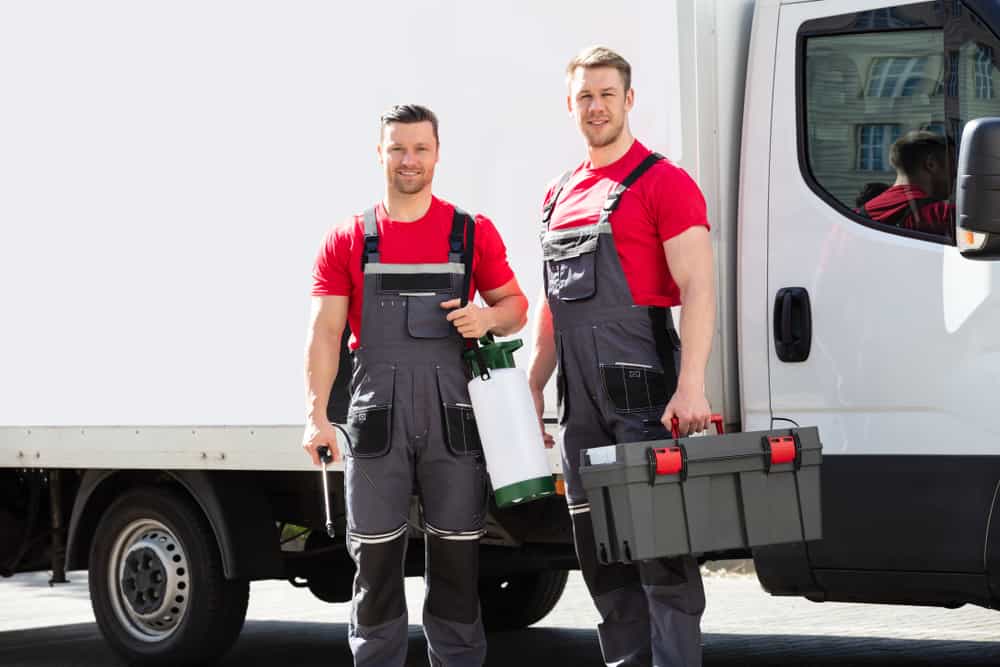
Roadside assistance is designed to fix problems on the spot, right where your vehicle stopped. A technician comes to your location with tools, equipment, and parts to handle common issues that don’t require a full shop. Think of it as bringing the repair bay to you.
This service is built for speed and convenience. The goal is simple: diagnose the issue, fix what can be fixed, and get you moving again without the need for transport. It’s not about major overhauls or complicated repairs. It’s about solving the immediate problem so you can finish your trip.
For commercial drivers in Wayne County and Monroe County, that means less downtime on major routes like I-94 and Telegraph Road. For everyday drivers, it means avoiding tow fees and shop wait times. Roadside assistance works when the issue is straightforward and the vehicle is still drivable after a quick fix.
Common Roadside Assistance Services
Roadside assistance covers a range of issues that can strand you but don’t require heavy-duty repair work. These are the situations where a technician can resolve the problem in 30 to 60 minutes, often without needing to move your vehicle at all. Whether you’re on the side of I-75 in Detroit or stuck in a parking lot in Carleton, these services handle the most common breakdowns.
Jump-starts are one of the most common calls. Your battery dies, and you need a boost to get the engine running again. We arrive with jump packs or cables, get your vehicle started, and you’re on your way. It’s fast, affordable, and avoids the need for a tow to a shop just to replace a battery. This is especially critical in Michigan winters when cold temperatures drain batteries overnight.
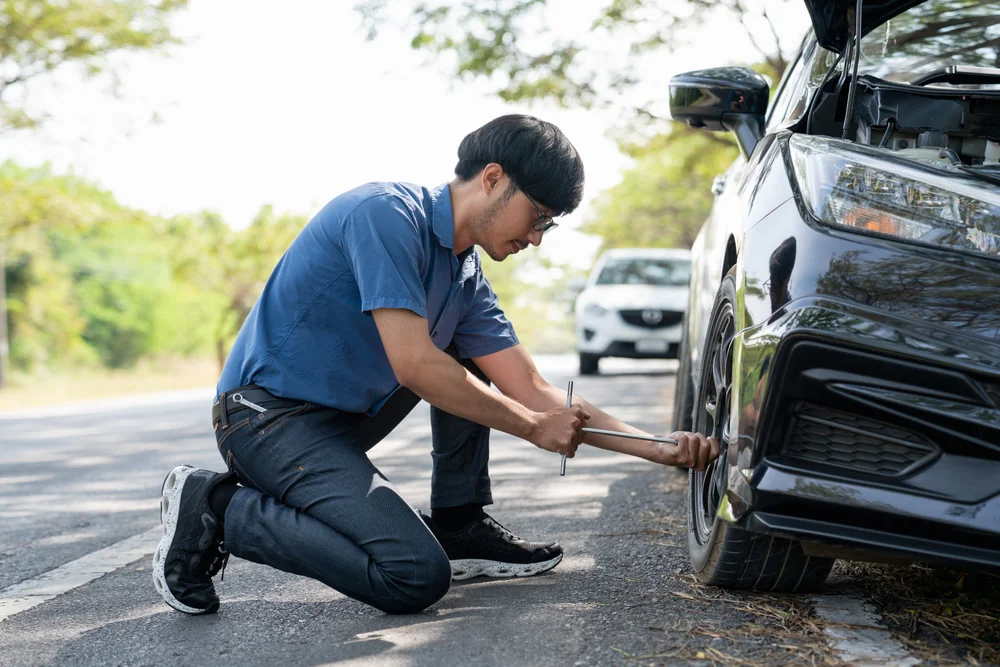
Flat tire changes are another frequent service. If you have a spare tire, we can swap it out for you right there on the shoulder or in a parking lot. This is especially helpful if you’re not comfortable changing a tire yourself, or if you’re in an unsafe location like a busy highway. The service gets you mobile again without the cost or hassle of towing. For commercial trucks, a roadside tire change can save hours compared to waiting for a tow.
Fuel delivery is a lifesaver when you miscalculate your tank or run out in a remote area. We bring enough fuel to get you to the nearest gas station. For truckers hauling diesel through Wayne County, this service can prevent hours of delay and keep delivery schedules on track. Running out of DEF (Diesel Exhaust Fluid) is another common issue that roadside assistance can resolve quickly.
Lockout assistance helps when you’ve locked your keys inside your vehicle. Instead of breaking a window or calling a locksmith, we can often get you back inside quickly and without damage. It’s a simple fix that saves you from a much bigger headache, especially when you’re on a tight schedule.
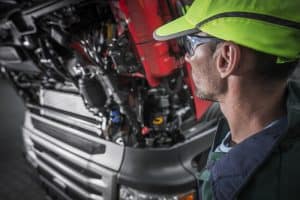
Minor repairs can also be handled roadside, depending on the issue. This might include reconnecting a loose battery cable, fixing a minor air leak in a truck’s brake system, or addressing a small fluid leak. These aren’t full-scale repairs, but they’re enough to get your vehicle operational again so you can drive to a shop for a more thorough inspection if needed. We often carry common parts and diagnostic tools to handle these situations on-site.
The key with all these services is that they’re meant for situations where the vehicle can be fixed quickly and safely resume operation. If the problem is more serious, that’s when towing becomes the better option.
When Roadside Assistance Makes Sense
Roadside assistance is the right call when the problem is minor and the vehicle can be repaired on-site without specialized equipment. If you’re dealing with something that can be fixed in an hour or less, and the vehicle will be safe to drive afterward, roadside service is your best bet. This distinction matters because it directly impacts your wallet and your schedule.
Dead batteries are a perfect example. A jump-start takes minutes, and you’re back on the road. There’s no reason to pay for a tow when the issue can be resolved right where you are. The same goes for flat tires, as long as you have a spare. Swapping a tire on the spot is faster and cheaper than getting towed to a shop. For drivers in Monroe County dealing with rough roads and construction zones, having quick access to tire changes can be the difference between making a delivery on time and missing it entirely.
Running out of fuel is another clear case for roadside assistance. We deliver enough gas or diesel to get you to the nearest station, and you’re back in business. For commercial drivers, this service can prevent costly delays and keep shipments on schedule. In rural areas between Detroit and Monroe, gas stations can be few and far between, making fuel delivery a critical service.
Lockouts are straightforward, too. If your keys are inside the vehicle, we can get you back in without the need for a tow. It’s a quick fix that doesn’t require moving your vehicle anywhere. This is particularly common in parking lots and rest stops along I-275 and I-94, where drivers step out for a quick break and accidentally lock their keys inside.
Minor mechanical issues can also be addressed roadside, depending on what’s wrong. If we can diagnose and fix the problem with the tools and parts we have on hand, you avoid the expense and downtime of towing. This is especially valuable for fleet operators and owner-operators who need to minimize time off the road. We carry diagnostic equipment that can identify issues and determine whether a roadside fix is possible or if towing is necessary.
The deciding factor is whether the vehicle can safely resume operation after the fix. If the answer is yes, roadside assistance is almost always the faster, cheaper option. If the answer is no, or if there’s any doubt about safety, that’s when towing comes into play. Understanding this difference helps you avoid unnecessary costs and get back to what matters.
What Is Towing Service?
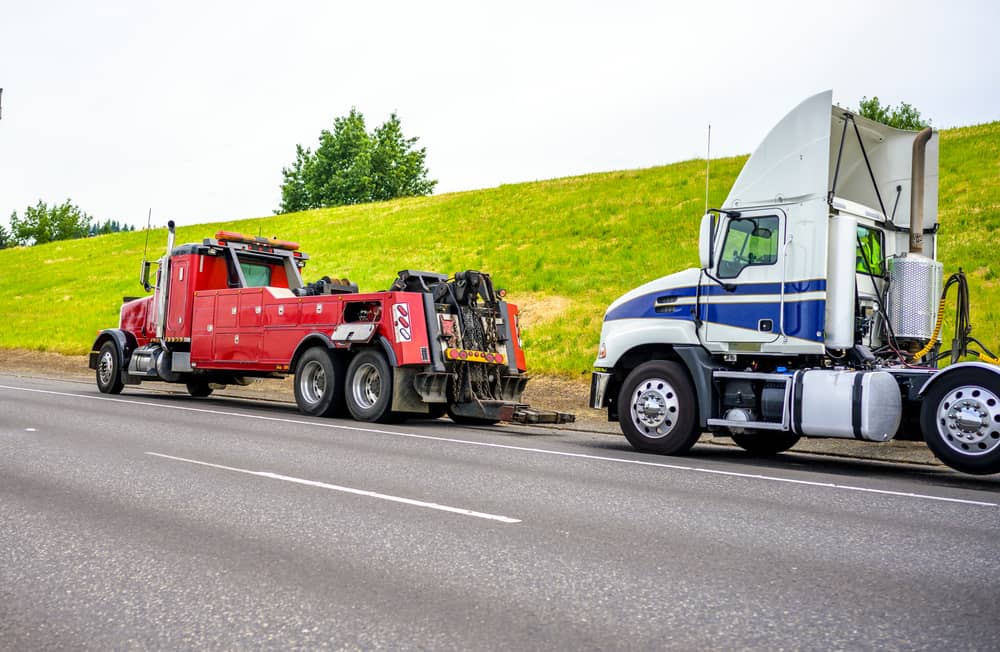
Towing is for when your vehicle can’t be fixed on the spot or can’t be driven safely. A tow truck transports your vehicle from wherever it’s stranded to a repair shop, your home, or another location where it can be properly diagnosed and repaired. Unlike roadside assistance, towing doesn’t fix the problem. It moves the vehicle so it can be addressed properly.
This service is necessary when the issue is too complex, too dangerous, or requires equipment that can’t be brought to your location. Major mechanical failures, accident damage, and structural problems all fall into this category. If the vehicle isn’t drivable, or if driving it could cause further damage, towing is the only safe option.
For heavy-duty trucks in Detroit and Monroe County, towing can be expensive, especially over long distances. But when the alternative is risking more damage or violating DOT regulations by operating an unsafe vehicle, the cost is justified. The key is knowing when towing is truly necessary versus when roadside assistance could handle the job.
Common Situations That Require Towing
Towing becomes necessary in situations where the vehicle is immobilized or unsafe to drive. These are the scenarios where on-site repairs aren’t possible, and the vehicle needs to be transported to a facility with the right tools and expertise. Recognizing these situations quickly helps you make the right call and avoid making a bad situation worse.
Major engine failure is one of the most common reasons for emergency towing in Detroit. If your engine seizes, overheats to the point of damage, or suffers internal failure, it’s not something we can fix roadside. The vehicle needs to be towed to a shop where the engine can be disassembled, diagnosed, and repaired or replaced. Attempting to drive with severe engine damage can turn a repairable problem into a total loss.
Transmission failure is another situation that requires towing service. If your transmission won’t engage, slips out of gear, or fails completely, the vehicle can’t be driven. Attempting to move it could cause catastrophic damage to the drivetrain. A tow truck is the only safe way to get the vehicle to a repair facility. This is particularly common in older vehicles and commercial trucks with high mileage.
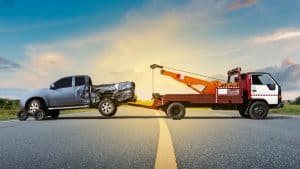
Accidents often require heavy-duty towing services, especially if the vehicle has sustained frame damage, broken axles, or damage to the steering or suspension. Even if the vehicle starts, it may not be safe to drive. Towing ensures the vehicle is moved without causing additional harm or putting anyone at risk. In Wayne County, we provide accident recovery services 24/7 to handle these situations on busy highways like I-94 and I-75.
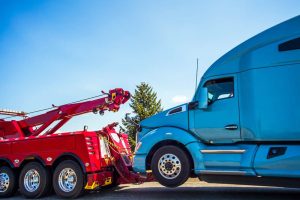
Severe tire or axle damage can also necessitate towing. A blown tire can usually be changed roadside, but if the rim is destroyed, the axle is damaged, or multiple tires are affected, the vehicle needs to be towed. Driving on damaged wheels or axles can lead to further mechanical problems and safety hazards. For commercial trucks, this type of damage often requires specialized heavy-duty towing equipment.
DOT violations discovered during a roadside inspection can result in an out-of-service order. If your vehicle fails inspection due to brake issues, structural problems, or other safety concerns, you’re legally required to have it towed. Operating the vehicle in that condition is prohibited and can result in fines and penalties. This is where having a reliable towing company on speed dial becomes essential for commercial operators.
In all these cases, towing is the responsible choice. It protects your vehicle from further damage, keeps you in compliance with regulations, and ensures the problem is addressed by professionals with the right equipment.
When Towing Is the Right Call
Towing is the right choice when the vehicle can’t be safely repaired on-site or when driving it could cause additional damage. If there’s any question about whether the vehicle is safe to operate, towing is the smarter option. It’s better to pay for a tow than to risk a breakdown that leaves you stranded again or causes a more expensive repair. This is especially true for commercial vehicles where downtime and repair costs directly impact your bottom line.
Complete mechanical failure is a clear indicator that towing is needed. If your engine won’t start, your transmission won’t engage, or your brakes have failed, the vehicle isn’t going anywhere under its own power. A tow truck is the only way to move it to a shop where the problem can be properly diagnosed and fixed. For trucks and trailers in Monroe County, this often means coordinating with a service that has heavy-duty towing capabilities.
Accident damage is another situation where towing is necessary. Even if the vehicle starts and seems to run, hidden damage to the frame, suspension, or steering can make it unsafe to drive. A tow ensures the vehicle is moved without causing further harm or putting anyone at risk on the road. Detroit-area highways see their share of accidents, and having access to reliable accident towing can make a stressful situation more manageable.
Overheating that can’t be resolved roadside is a common reason for towing. If your engine overheats and the cause isn’t something simple like low coolant, continuing to drive can cause severe engine damage. Towing the vehicle to a shop prevents a minor issue from becoming a major repair. This is particularly important for commercial trucks where engine replacement can cost tens of thousands of dollars.
Electrical failures that affect critical systems can also require towing. If your vehicle loses power steering, power brakes, or other essential functions, it’s not safe to drive. A tow truck gets the vehicle to a facility where the electrical system can be properly diagnosed and repaired. Modern trucks rely heavily on electronic systems, and when those fail, roadside repair often isn’t an option.
For commercial trucks operating in Wayne County and Monroe County, any issue that puts the vehicle out of compliance with DOT regulations requires towing. This includes brake problems, structural damage, or any condition that makes the vehicle unsafe to operate. Towing ensures you stay in compliance and avoid fines or penalties. It’s not just about fixing the vehicle—it’s about protecting your license and your livelihood.
The bottom line is this: if the vehicle can’t be fixed quickly, can’t be driven safely, or if there’s any doubt about its condition, towing is the right call. It’s an investment in safety and in protecting your vehicle from further damage. Knowing when to make that call separates experienced drivers from those who end up with bigger problems down the road.
Making the Right Choice for Your Situation
Knowing the difference between roadside assistance and towing comes down to understanding what’s wrong with your vehicle and what it needs. Roadside assistance handles the quick fixes—dead batteries, flat tires, fuel delivery, and minor repairs that get you moving again fast. Towing takes over when the vehicle can’t be fixed on-site or isn’t safe to drive. The right choice saves you time, money, and stress.
It keeps you from paying for a tow when a jump-start would’ve done the job. It also keeps you from trying to limp a damaged vehicle to a shop when towing is the safer option. When you’re not sure which service you need, a quick call to a professional can help you make the right decision based on your specific situation.
If you’re in Wayne County or Monroe County and need help deciding, we’re available 24/7 to assess your situation and provide the right service. Whether it’s roadside assistance that gets you moving again or heavy-duty towing services to a shop for a more serious repair, we have over 40 years of experience and the equipment to handle it. That’s the difference between guessing and knowing you made the right call.