What Causes Most Semi Truck Breakdowns
Truck breakdowns happen for predictable reasons. Tires account for more than half of all roadside failures. Electrical systems, brakes, and cooling components follow close behind. These aren’t random failures—they’re the result of stress, wear, and deferred maintenance catching up with your equipment.
The pattern is clear across the trucking industry. Heavy loads stress components beyond their normal limits. Weather extremes in Michigan push systems to breaking points. Normal wear compounds when maintenance gets delayed because you’re too busy hauling.
Understanding these patterns matters because knowledge changes behavior. When you know that underinflated tires cause heat buildup in sidewalls, you check pressure more often. When you understand that batteries fail most in extreme temperatures, you test yours before Michigan winter hits. When you recognize that brake problems cause 29% of semi-truck crashes, you stop postponing that brake inspection.

Tire Failures And Blowouts
Tires cause over half of all truck breakdowns, and the industry data backs this up consistently. Research shows tires are responsible for 53.5% of roadside breakdowns, with approximately 8,000 trucking accidents happening annually from tire blowouts alone. That’s not a small problem you can ignore.
The main culprits behind tire failure? Underinflation and low tread depth. When a tire runs underinflated by even 20%, its lifespan drops by 30%. Heat builds up in the sidewalls during operation. The tire structure weakens. It becomes more susceptible to punctures and sudden failures that leave you stranded or worse.
Tread depth matters just as much as pressure. Low tread can’t grip wet or icy Michigan roads properly. It also leaves tires vulnerable to road hazards that would normally cause only minor damage. What should be a repairable puncture becomes a complete tire failure because there wasn’t enough tread to protect the casing.
Running tires lose air pressure at about 5 PSI per month under normal conditions. Even parked tires lose 1 to 3 PSI monthly just sitting there. Seasonal temperature changes accelerate these rates significantly. This means the tire pressure you checked last month isn’t the same pressure you’re running on today, especially when temperatures drop 30 degrees overnight.
The fix for tire-related truck breakdowns isn’t complicated, but it requires consistency. Check tire pressure before every trip, not just when you remember. Inspect tread depth and look for cracks, bulges, or embedded debris during your pre-trip inspection. Rotate tires according to your maintenance schedule to ensure even wear across all positions.
Tire pressure monitoring systems give you real-time data, alerting you to pressure deviations before they become dangerous. These systems have become standard on newer trucks for good reason—they catch problems you can’t see during a quick visual inspection. If your truck has TPMS, pay attention to the warnings instead of dismissing them.
When you’re hauling heavy loads across Michigan’s roads and highways, your tires are your only contact with the pavement. They deserve more attention than a quick glance during your pre-trip. A blown tire doesn’t just cost you time and money for the repair. It puts you and everyone around you at risk, and it can cause additional damage to your truck’s body, suspension, and brake systems.
Electrical System And Battery Problems
Battery malfunction is the single most common reason for truck breakdowns across the industry. The electrical system in your commercial truck includes the battery, alternator, starter motor, and dozens of smaller components that all need to work together seamlessly. When one part fails, the whole system suffers, and you’re not going anywhere.
A weak battery can’t start your engine, especially in cold weather. A failing alternator can’t keep that battery charged during operation. Corroded connections create electrical resistance that prevents proper current flow. Any of these issues can leave you stranded, and they often happen without much warning if you’re not paying attention.
Cold weather makes everything worse with electrical systems. Diesel engines require significantly more battery power to start in freezing temperatures compared to warm weather. Michigan winters are particularly hard on batteries, with extreme cold draining power and shortening overall lifespan. Most batteries last three to five years under normal conditions, but harsh climates can cut that timeline in half.
The warning signs are usually there before complete failure happens. Your truck might be slow to start, requiring more cranking than usual. Lights could flicker when idling at a stoplight. You might notice dimming dashboard displays or hear clicking sounds when you turn the key instead of the engine turning over.
Regular electrical system checks catch these issues early, before they strand you. Clean battery terminals and check for corrosion buildup at least monthly. Test your battery’s charge and load capacity, especially before winter weather arrives. Inspect wiring harnesses for frays, damage, or loose connections that could cause intermittent problems.
Your alternator deserves attention too, even though it often gets overlooked. It’s responsible for keeping your battery charged and powering your truck’s electrical systems while the engine runs. A failing alternator shows similar symptoms to a dying battery—dim lights, weak starts, electrical issues—but replacing the battery won’t solve the problem. You need to test the alternator’s output to know for sure what’s failing.
Electrical failures often happen at the worst possible times. A dead battery in your yard is inconvenient and annoying. A dead battery on the side of I-75 in January with a loaded trailer is dangerous and expensive. The difference between those scenarios usually comes down to whether you caught the warning signs during routine checks or ignored them because you were too busy.
Don’t ignore electrical symptoms when they appear. That flickering light or slow start is your truck telling you something needs attention now. Address it during scheduled maintenance, or deal with it on the roadside later when it’s less convenient and more costly.
Brake System Failures In Commercial Trucks
Brake problems cause 29% of semi-truck crashes according to Federal Motor Carrier Safety Administration data. That statistic should get your attention immediately because brake failure isn’t just about being stranded on the roadside—it’s about catastrophic accidents that hurt people, destroy equipment, and end careers.
The weight and size of commercial trucks put enormous stress on brake systems compared to passenger vehicles. Friction and heat wear components down faster. Air leaks compromise stopping power across the entire system. Contaminated brake fluid reduces effectiveness. Heavy loads increase the demands on every component.
Michigan’s winter weather adds another layer of complexity to brake maintenance. Moisture in air brake systems can freeze, causing complete brake failure. Salt and road chemicals accelerate corrosion on brake components. Cold temperatures affect brake performance and responsiveness, increasing stopping distances when you can least afford it.
Common Brake Problems And Warning Signs
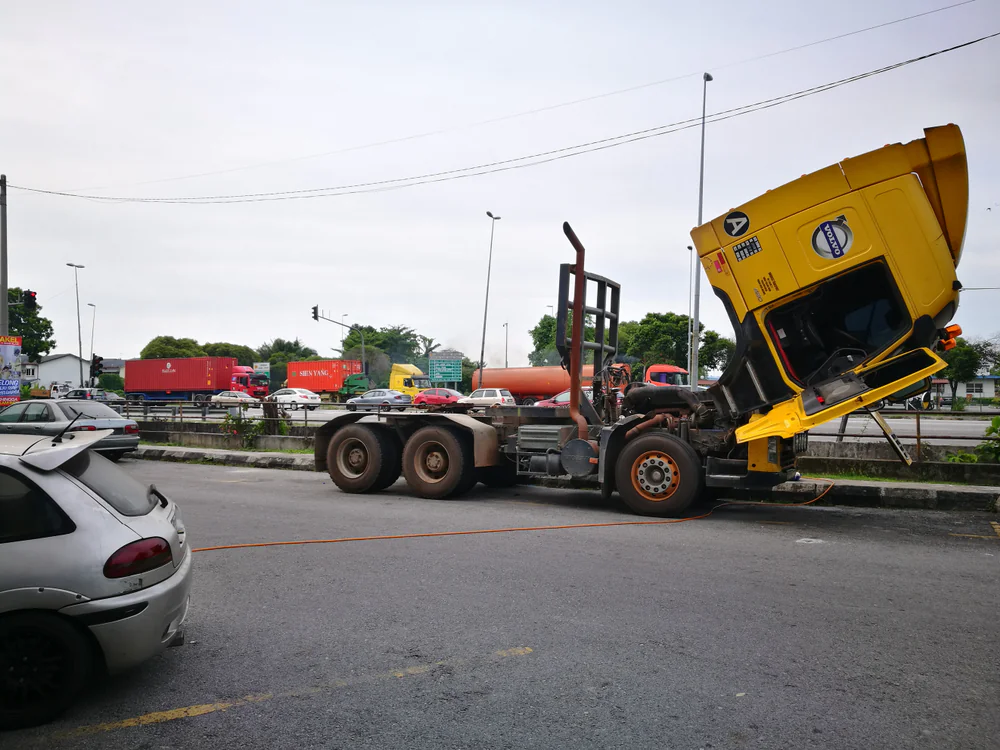
Air brake systems are complex mechanical systems with multiple potential failure points. Air compressors can fail, leaving you without pressure to activate brakes. Brake chambers can rupture under stress. Moisture can freeze in air lines during cold weather, completely disabling your braking ability. The Federal Motor Carrier Safety Administration consistently lists brake issues as a leading factor in major truck accidents, which is why inspectors pay such close attention to brake condition.
Worn brake pads and damaged brake drums are obvious problems that most drivers understand, but they’re not the only brake issues you need to watch for. Water and contamination in the air supply cause problems that aren’t immediately visible. Oil passing from the compressor damages components gradually. External contamination and air pressure leaks compromise the entire system’s performance over time.
You’ll usually get warning signs before complete brake failure happens. Grinding, squeaking, or whining noises when braking indicate worn components that need replacement soon. Reduced stopping power means something isn’t working right in the system. A spongy brake pedal suggests air in the hydraulic lines or fluid issues. Pulling to one side when braking indicates uneven brake wear or a stuck caliper.
Regular brake inspections should be non-negotiable in your maintenance routine, not something you do when you have time. Visual checks before every trip catch obvious problems like damaged components, chaffing on air lines, or leaking brake fluid. More thorough inspections at regular intervals identify wear patterns before they become dangerous failures.
Safe driving practices extend brake life and reduce failure risk significantly. Avoid excessive braking by anticipating stops and using engine braking when appropriate. Don’t ride your brakes downhill—use proper gear selection instead. Give yourself extra following distance so you’re not constantly on and off the brakes in stop-and-go traffic.
Brake maintenance isn’t something you can postpone until next month when you’re less busy. The consequences of brake failure are too severe to risk. When your brakes stop working properly, you’re piloting tens of thousands of pounds of truck and cargo that can’t stop safely. That’s not a situation you want to find yourself in at highway speeds on I-94 or I-75.
Schedule regular brake service according to manufacturer recommendations and your operating conditions. Replace worn components before they fail completely, not after. Address any unusual noises, performance changes, or warning lights immediately instead of waiting to see if they go away. Your brakes are literally life-saving equipment—treat them that way in your maintenance priorities.
Engine Overheating And Cooling System Failures
Engine overheating can destroy your motor in minutes, not hours. A diesel engine generates immense heat under normal operation, especially when pulling heavy loads or climbing grades. When the cooling system fails to manage that heat, temperatures spike rapidly, causing warped components, blown head gaskets, and complete engine failure that requires a full rebuild or replacement.
The cooling system in your truck includes your radiator, water pump, thermostat, hoses, belts, and coolant. Any of these components can fail, and when they do, your engine is at serious risk. Leaky hoses are common, especially on older trucks. Clogged radiators restrict coolant flow and reduce cooling efficiency. Faulty thermostats prevent proper temperature regulation. Failed water pumps stop coolant circulation entirely.
Low coolant levels are often the first sign of trouble in your cooling system. Check your coolant regularly during pre-trip inspections and top it off as needed to maintain proper levels. But if you’re constantly adding coolant week after week, you have a leak somewhere that needs to be found and fixed. Coolant doesn’t just disappear—it’s going somewhere, either leaking externally or burning internally.
Debris buildup on your radiator is another common problem that causes overheating. Road grime, bugs, dirt, and other debris block airflow through the radiator fins. This reduces cooling efficiency significantly and can lead to overheating, especially in hot weather or when climbing grades with heavy loads. Regular pressure washing of your radiator helps maintain proper cooling capacity.
Your temperature gauge is your early warning system for overheating problems. If it starts climbing into the danger zone, pull over immediately and safely. Turn off the engine and let it cool down completely before attempting to diagnose the problem. Running an overheating engine causes exponentially more damage with every minute it operates above safe temperatures. What could have been a simple hose replacement becomes an engine rebuild if you keep driving.
Preventative maintenance for your cooling system is straightforward and doesn’t require special tools. Inspect hoses and clamps for leaks, cracks, or soft spots. Make sure your radiator is clear of debris and damage. Verify that your thermostat and cooling fan operate properly at the correct temperatures. Flush your cooling system periodically and replace coolant according to manufacturer recommendations, not just when it looks dirty.
Michigan’s weather extremes test cooling systems year-round in different ways. Summer heat pushes systems to their limits during heavy work in hot conditions. Winter cold requires proper antifreeze concentration to prevent freezing, which can crack your engine block. Both extremes demand that your cooling system be in top condition to handle the stress.
Severe overheating leads to costly engine rebuilds or complete replacements that can easily exceed $15,000. These repairs mean prolonged downtime while you wait for parts and service, sometimes weeks for major work. The truck sits idle, not earning, while you’re still making payments and covering insurance. All of this can often be prevented with regular cooling system maintenance and immediate attention to warning signs like rising temperature gauges or coolant leaks.
Preventing Truck Breakdowns Through Proactive Maintenance
Truck breakdowns are expensive, dangerous, and often preventable with the right maintenance approach. The ten causes covered here—tires, electrical systems, brakes, cooling systems, fuel problems, transmission issues, and others—account for the vast majority of roadside failures across the trucking industry. Most give you warning signs before complete failure if you know what to look for and take action.
Regular preventive maintenance reduces unexpected breakdowns by up to 80% according to fleet maintenance data. That’s not a small improvement or a marginal gain. It’s the difference between running a reliable operation and constantly dealing with emergency repairs, lost revenue, and frustrated customers. The math is simple and compelling: scheduled maintenance costs a few hundred dollars per service, while emergency repairs cost tens of thousands, plus the downtime, towing fees, and lost loads that come with unexpected failures.
Prevention is always cheaper than crisis management in trucking. It’s also safer, less stressful, and better for your equipment’s long-term reliability and resale value.
When breakdowns do happen despite your best preventive efforts, having reliable semi truck roadside assistance makes all the difference between a minor inconvenience and a major disaster. We provide 24/7 emergency heavy duty truck repair throughout Wayne County, MI and Monroe County, MI, with over 40 years of experience and the expertise to diagnose and fix problems quickly. Led by Dr. Phillip Marin, whose three Ph.D. degrees in Diesel Engineering, Drivetrains, and Metal Alloys provide unmatched technical knowledge, our team understands the urgency of getting commercial trucks back on the road and earning.