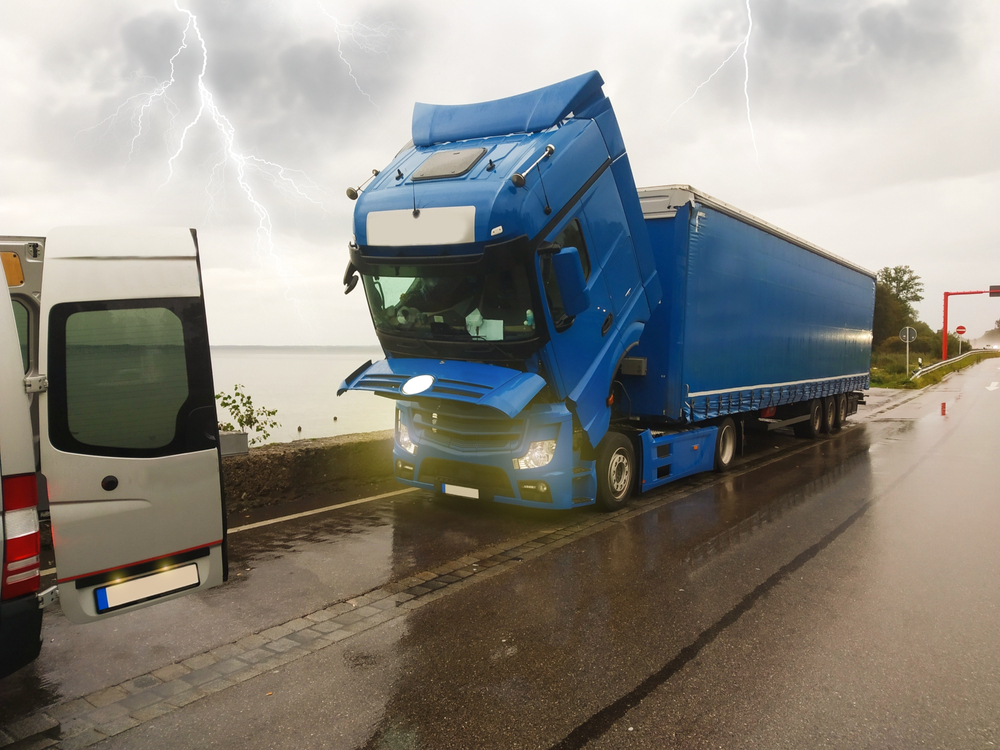
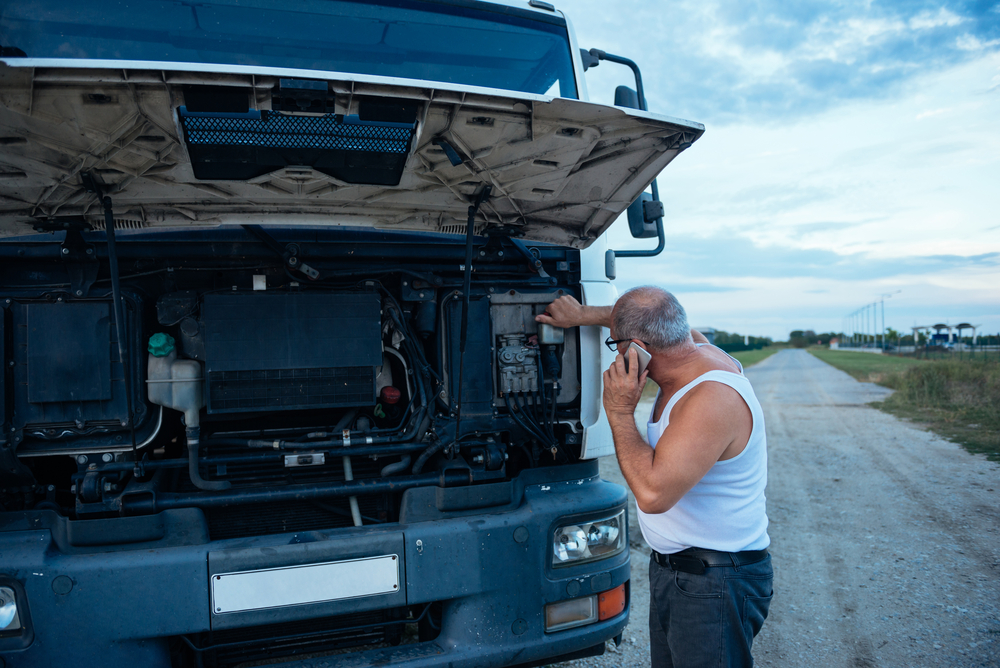
When your truck breaks down on I-75 at 2 AM, you’re not thinking about credentials. You’re thinking about who picks up the phone, how fast they can get to you, and whether they can actually fix the problem without towing you to a shop queue that stretches into the next day.
But credentials matter more than most drivers realize — especially in a market where nearly two-thirds of diesel shops are understaffed and a surprising share of technicians entered the field without formal training. Knowing what to look for before you’re stranded is the difference between a fast fix and a very expensive lesson.
Here’s what those credentials actually mean, and why Dr. Phillip Marin’s background stands apart in Wayne County, MI.
ASE Certified Diesel Mechanic: What the Credential Actually Covers
ASE — the National Institute for Automotive Service Excellence — is the recognized credentialing body for diesel and truck technicians in the United States. When a shop says their mechanics are “certified,” ASE certification is almost always what they mean. It’s the industry benchmark, and it’s meaningful. But it’s also important to understand what it covers and what it doesn’t.
To earn ASE certification in medium and heavy truck repair, a technician has to pass a series of tests covering everything from diesel engines and electrical systems to brakes, drivetrain components, and preventive maintenance. They also need at least two years of documented hands-on experience before they can even sit for the exam. It’s not a weekend course. It takes time, study, and real-world application to earn it.
Diesel Certification: What the ASE Test Series Actually Covers
The medium and heavy truck certification series runs from T1 through T8, covering eight distinct areas of commercial vehicle repair. These range from gasoline engines and diesel engines to suspension, steering, brakes, electrical systems, heating and air conditioning, and preventive maintenance inspection. A technician who passes T2 through T8 — all seven heavy-duty-focused tests — earns the designation of ASE Master Medium/Heavy Truck Technician. That’s the top of the ASE ladder.
To keep that status, recertification is required every five years. The field moves, technology changes, and ASE holds its certified technicians to that standard. It’s one of the reasons ASE certification carries real weight — it’s not a one-time credential that sits on a wall and collects dust.
Here’s the part that often surprises people: even reaching Master Technician level through ASE is a trade credential. It reflects deep hands-on expertise, strong diagnostic skills, and proven knowledge across all major vehicle systems. What it doesn’t include is the kind of academic, research-level study that comes from earning a university degree — let alone a doctoral one. The ASE framework was built around skilled trades training, not engineering science. That’s not a criticism of ASE. It’s just the honest distinction between trade mastery and academic depth.
For most breakdowns, a well-trained ASE-certified technician is exactly what you need. But for complex failures — the ones where something keeps going wrong even after a repair, or where the root cause isn’t obvious — that deeper level of diagnostic reasoning can be the difference between a permanent fix and a repeat breakdown six weeks later.
Why the Diesel Technician Shortage Matters in Wayne County, MI
According to research from the American Transportation Research Institute, 65.5% of diesel repair shops in the United States were understaffed in 2025. Nearly one in five technician positions sat unfilled on average. The Bureau of Labor Statistics projects roughly 28,000 new openings for diesel technicians every year for the next decade — and the pipeline of qualified candidates isn’t keeping pace.
What that means in practice is that a lot of shops are operating with whoever they can get. Some of those technicians are excellent. Others entered the field without meaningful formal training — research from Women in Trucking found that 61.8% of diesel technicians started their careers without any structured preparation, requiring hundreds of hours of on-the-job remediation just to reach baseline competency.
Wayne County sits at the center of one of the most freight-intensive regions in the country. I-75 carries roughly 15,500 trucks per day between Detroit and Toledo. I-94 through Romulus and Taylor sees around 14,300 trucks daily. About 45% of Southeast Michigan’s employment is tied to freight-intensive industries, and that number is only going to grow — regional freight activity is projected to increase 137% in value by 2045.
That kind of volume means breakdowns happen constantly in Wayne County, demand for qualified mechanics is high, and the gap between a well-credentialed mechanic and an underprepared one has real financial consequences for operators. When you’re choosing who to call, the credential question isn’t academic. It’s practical.
Diesel Certified Mechanic vs. Three Ph.D. Degrees: What Sets Dr. Marin Apart
We’re proud to have ASE-certified technicians on our team at J&J Truck & Trailer Repair. That credential matters, and we don’t take it lightly. But the reason we’re different in this market comes down to one person: Dr. Phillip Marin.
Dr. Marin holds three doctoral degrees — in Diesel Engineering, Drivetrains, and Metal Alloys. That combination doesn’t exist anywhere else in mobile roadside assistance in the Detroit area, and frankly, it’s rare anywhere. These aren’t honorary titles or marketing language. They represent years of graduate-level study in the specific disciplines that determine why diesel engines fail, how drivetrain systems break down, and what happens at a material science level when metal fatigues, fractures, or fails under stress.
What a Ph.D. in Diesel Engineering and Drivetrains Means for Your Repair
Most mechanics learn to identify and replace the part that’s visibly broken. That’s not a knock — it’s how most repairs get done, and it works most of the time. But it doesn’t always address why that part failed in the first place.
A doctoral-level understanding of diesel engines means Dr. Marin can work backward from a symptom to a system-level cause in a way that a trade-trained technician simply hasn’t been prepared to do. When an engine keeps throwing the same fault code after multiple repairs, or when a truck comes back with the same problem two months later, the question isn’t just what failed — it’s why. That kind of diagnostic depth requires a foundation in engineering principles, not just parts familiarity.
The drivetrain Ph.D. matters for similar reasons. Transmission failures, driveshaft issues, axle and differential problems — these are among the most expensive repairs in commercial trucking, and they’re also among the most misdiagnosed. A misread on a drivetrain failure can result in a repair that addresses the symptom while the underlying cause continues to wear.
Dr. Marin’s doctoral work in drivetrains means he approaches these failures with a level of analytical precision that goes well beyond what the ASE test series covers. Combined with over 40 years of hands-on experience on Detroit’s freight corridors, that academic depth isn’t theoretical. It’s applied every time we roll out to a breakdown on I-94 or I-275. The credentials and the experience reinforce each other — the kind of combination that’s genuinely hard to find anywhere in this market.
Why the Metal Alloys Ph.D. Matters More Than You'd Expect
This is the credential that surprises people most, and it’s worth explaining because it has a direct impact on repair quality that most truck operators have never thought about.
Metal alloys are what your engine components, frame members, axle shafts, and structural parts are made of. Different alloys have different properties — different tolerances for heat, stress, vibration, and fatigue. When a component fails, the way it fails tells a story about what caused it. A fracture pattern in a specific alloy can indicate whether the failure was caused by overloading, heat stress, a manufacturing defect, or gradual fatigue over time. Without that materials science background, that story goes unread.
For most repairs, this level of analysis isn’t necessary. But for recurring failures, for components that keep breaking in the same place, or for structural repairs where the integrity of the fix matters — knowing what you’re working with at a material level changes how you approach the job. It’s the difference between welding a crack and understanding whether that crack is a symptom of a deeper structural issue that will reappear under load.
Dr. Marin’s Metal Alloys Ph.D. means our mobile repair unit doesn’t just carry tools — it carries a level of diagnostic reasoning that most shops can’t offer even in a fully equipped bay. We’ve been serving Wayne County, MI and the surrounding Detroit metro area since the 1980s, and that longevity is built on repairs that hold. Not patches. Not temporary fixes. Repairs that address the actual problem so you’re not calling us again for the same thing six weeks later.
Choosing a Diesel Mechanic You Can Actually Trust in Wayne County, MI
The next time you’re evaluating who to call for diesel repair in Wayne County, MI, ask a simple question: what do their credentials actually cover?
ASE certification is a legitimate standard, and you should expect it. But it’s the floor, not the ceiling. Dr. Phillip Marin’s three doctoral degrees in Diesel Engineering, Drivetrains, and Metal Alloys represent something genuinely different — a level of diagnostic depth that changes how problems get found and how repairs get made.
Backed by a team of ASE-certified technicians, 40-plus years in the Detroit market, and mobile units equipped to handle Class 8 heavy-duty vehicles on-site, we come to you prepared to fix the problem, not assess it and tow it somewhere else. If you’re in Wayne County, MI and need a diesel mechanic you can actually trust, J&J Truck & Trailer Repair is available 24/7 at 313-999-3088.